
·event
Project Discovery - Citizen Science Inside EVE
Image: CCP Games · (c) CCP Games (used under CCP fan-content policy)
Project Discovery launched on 9 March 2016: a real citizen-science minigame inside EVE Online where players classified Human Protein Atlas microscope images of human cells. Their year of work, 322,006 players and nearly 33 million classifications, reached print in Nature Biotechnology in 2018. It was the first phase of a four-part arc that went on to hunt exoplanets, fight COVID-19, and tackle cancer.
Project Discovery - Citizen Science Inside EVE
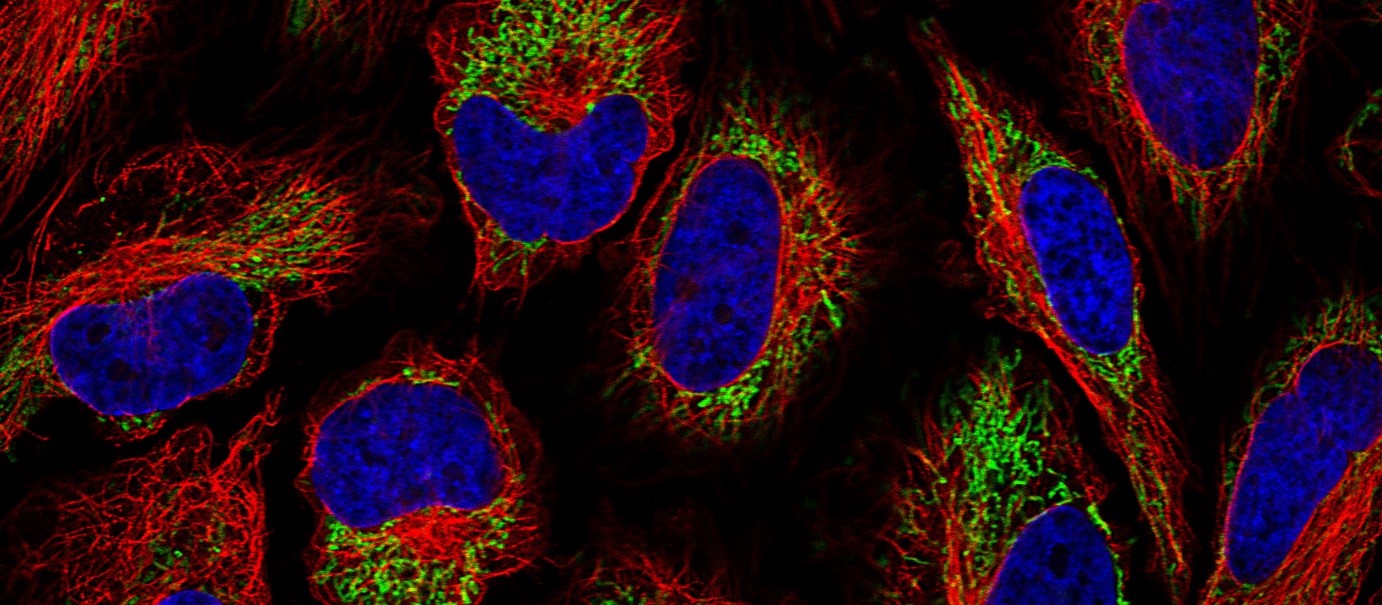
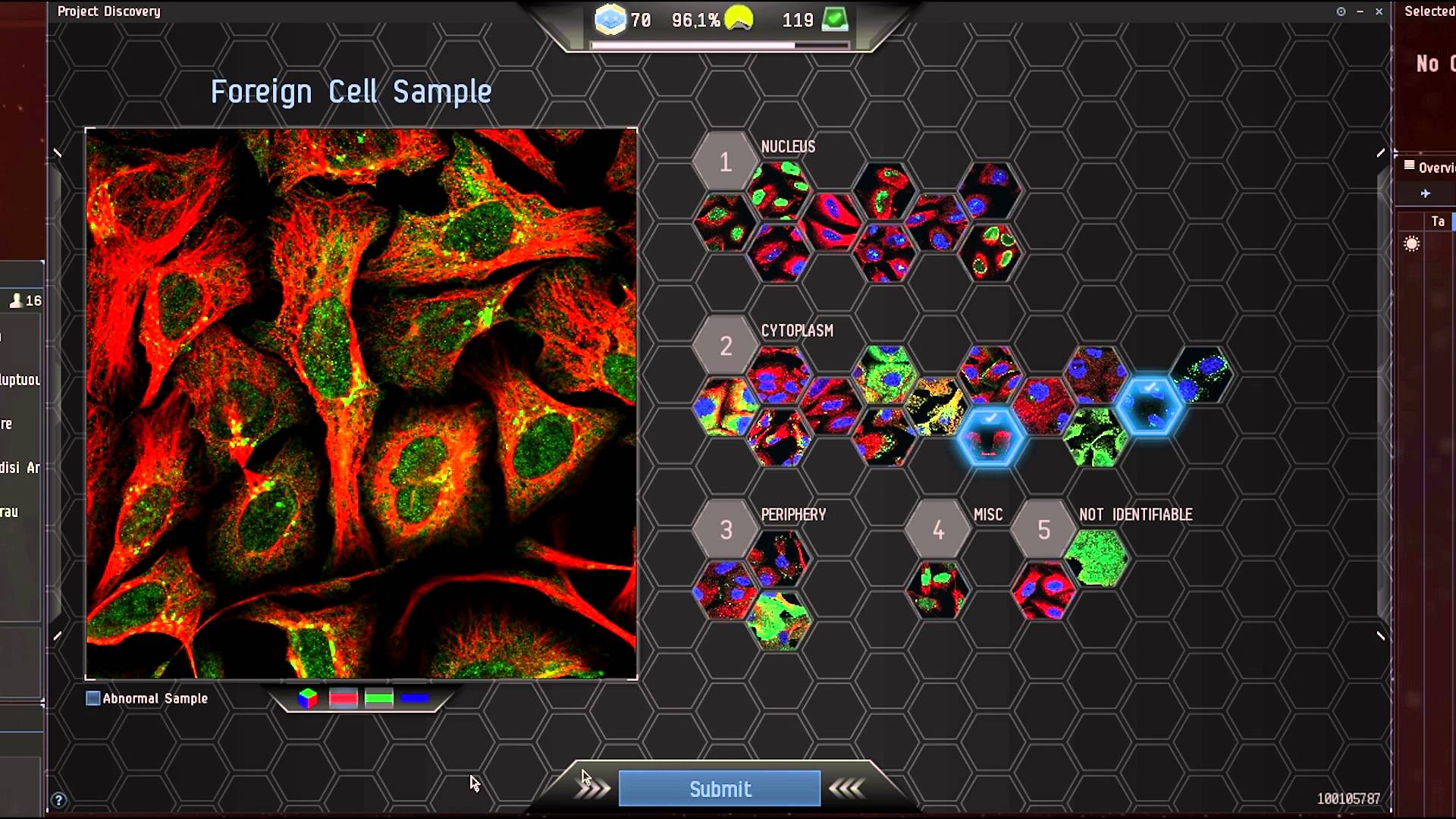
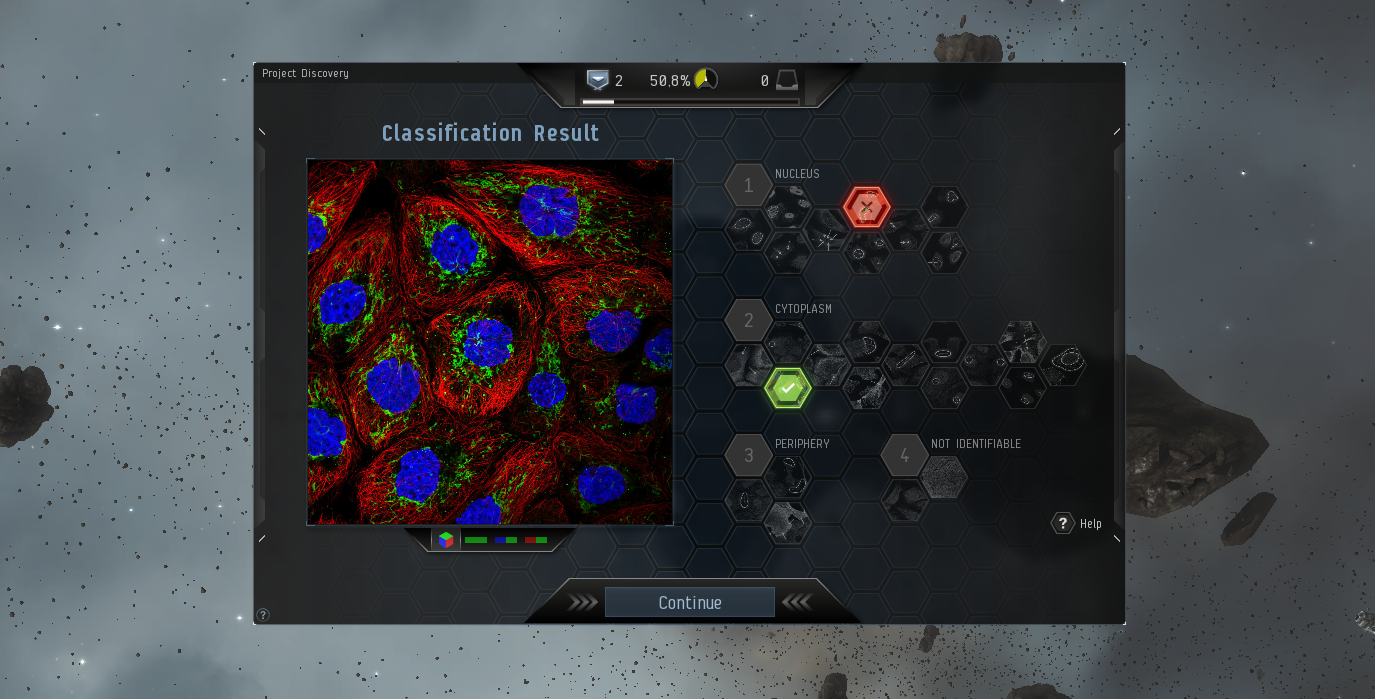
On 9 March 2016 Project Discovery went live on Tranquility, a real citizen-science minigame embedded directly in the EVE Online client. It was a partnership between CCP Games, the Swiss Massively-Multiplayer-Online-Science (MMOS) studio, Reykjavik University, and Sweden's Human Protein Atlas. From a console inside any station, pilots classified microscope images of proteins inside human cells, sorting each fluorescent stain into the organelle or structure where the protein actually sat. The work paid in-game: ISK, Analysis Kredits and exclusive SKINs, with the better-rewarding tiers gated behind accuracy rather than volume.
The science behind it was not a tutorial dressed up as research. The Human Protein Atlas is an open-access map of where every human protein lives inside the cell, built from hundreds of thousands of confocal immunofluorescence images. Automated classifiers of the day could only handle a handful of single-location patterns in a single cell type, and roughly half the human proteome localises to more than one compartment at once. That is precisely the kind of judgement call a large pool of human eyes is good at and a 2016-era neural network was not.
What the players actually produced
The protein phase ran for a year, and its results were published in Nature Biotechnology in September 2018 (Sullivan et al, Volume 36, Number 9). The paper credits 322,006 EVE players with nearly 33 million classifications, sorting proteins across 29 subcellular patterns in 17 human cell lines. Capsuleers re-classified the 20 organelle patterns the Atlas already tracked and added new ones the Atlas had not annotated, including a structure the players flagged so consistently that researchers confirmed it as a genuine cellular feature: the Rods and Rings.
The team then trained a deep-learning tool, the Localization Cellular Annotation Tool (Loc-CAT), on the player consensus, and used the gamer annotations to boost its accuracy to an F1 score of 0.72. The conclusion the authors drew is the one the project is remembered for: engaging the players of a commercial video game produced data that augmented machine learning rather than merely substituting for it. It was, by the paper's own account, the first time a scientific task had been directly and seamlessly integrated into the narrative of a mainstream video game.
One project, four phases
Project Discovery never settled on a single dataset. The protein work was Phase One. In July 2017 it pivoted to astronomy, with players hunting for real exoplanets in telescope light-curve data under the guidance of Professor Michel Mayor (see Project Discovery: Hunting Real Exoplanets). A COVID-19 immunology phase opened in 2020, and a cancer-research phase followed in 2024. Across the arc, CCP's retrospective tallies put the cumulative contribution at close to a billion classifications from roughly 1.9 million participants. Project Discovery is the clearest case of EVE's "spreadsheet game" reputation paying off in literal research output, and it remains an optional career-style activity in the client today.
In-game Phase One and Phase Two Monuments
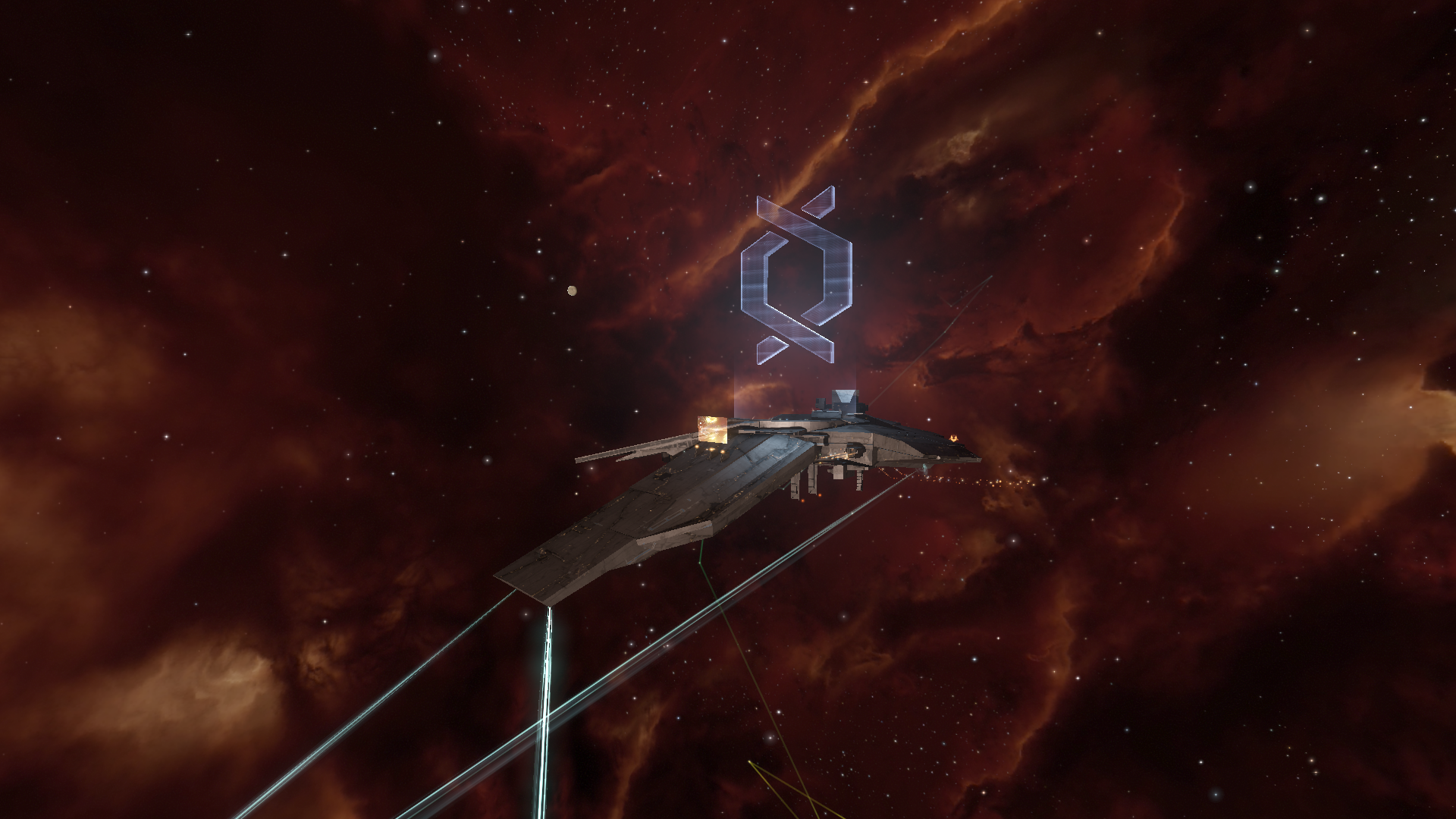
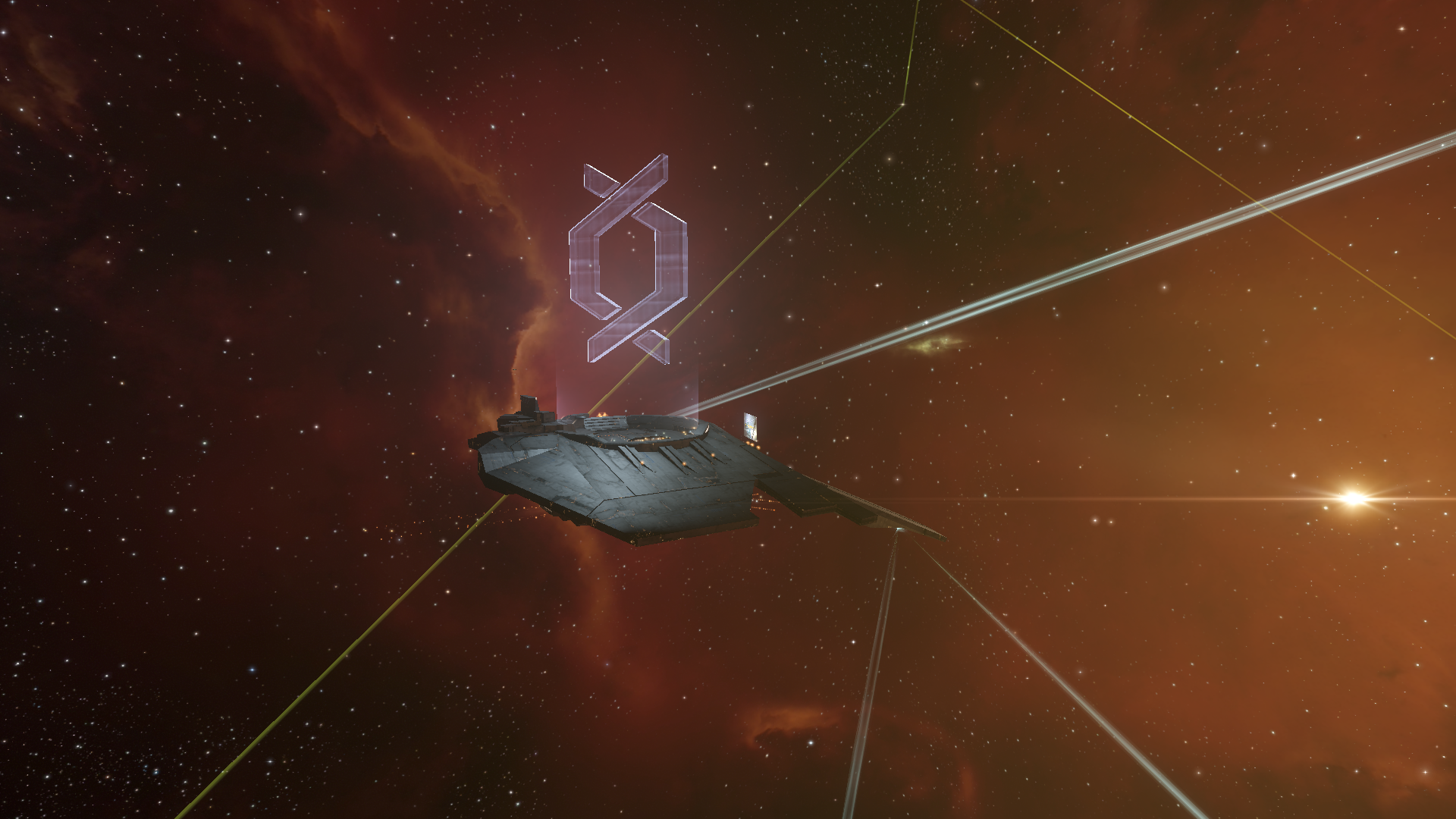
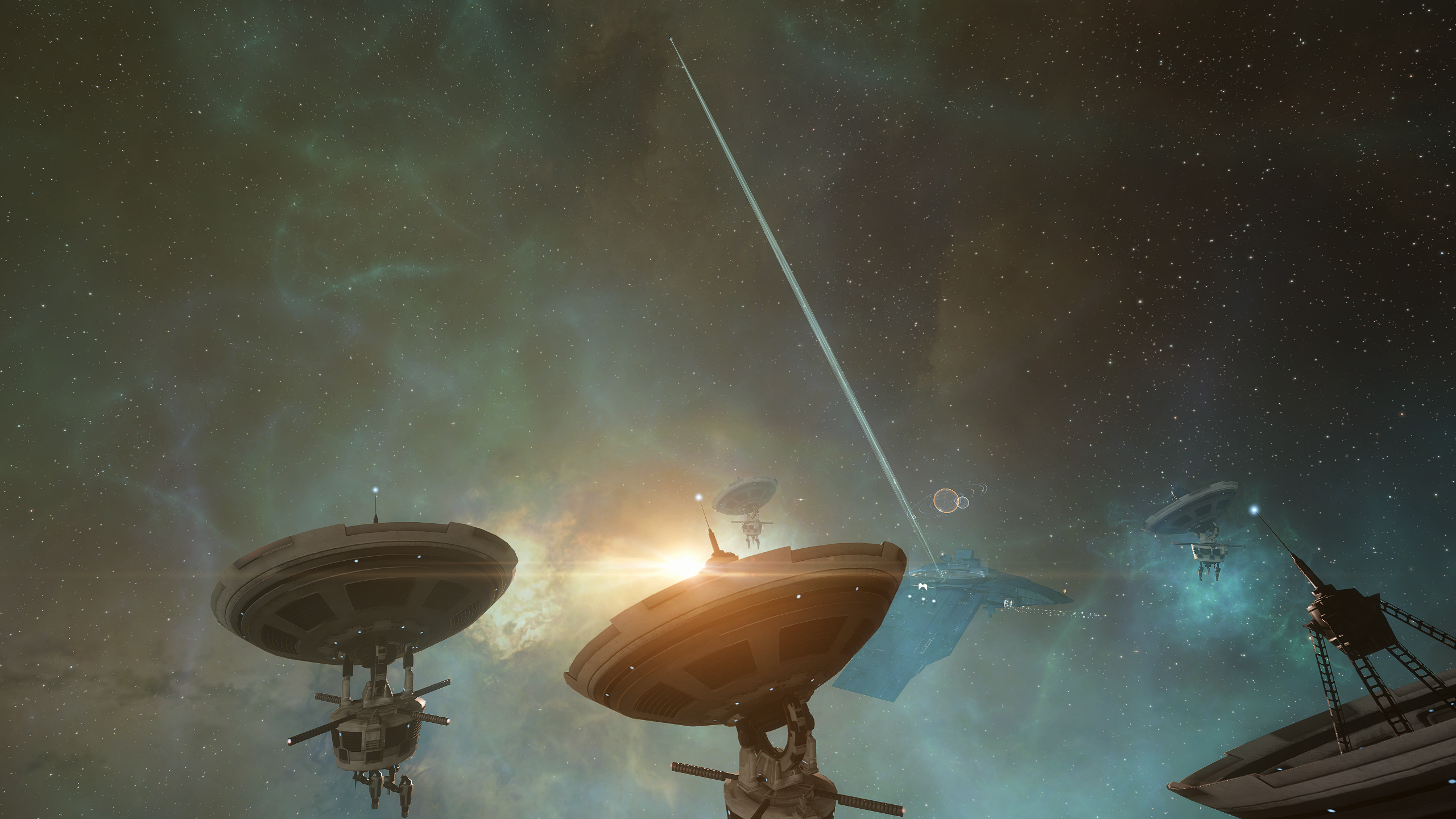
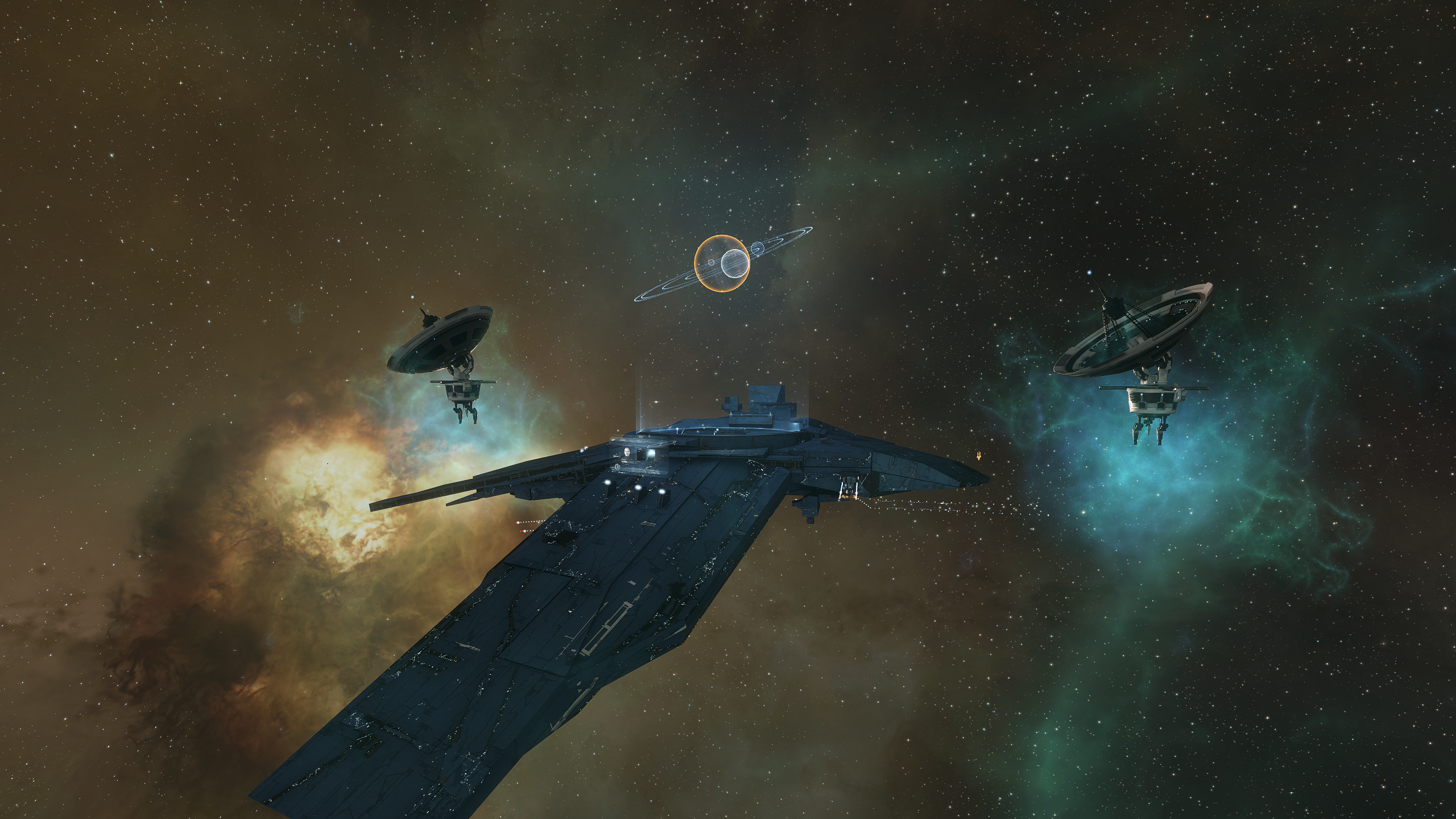
CCP raised two in-game monuments commemorating the research work. The Phase One Monument stands near the Sisters of EVE station in Lanngisi (Metropolis), unveiled in late 2017 with an Upwell-style angular base and a holographic double-helix Project Discovery symbol. Aura notes a "Technical Note: there appears to be an open Entosis Link port on this structure"; running an Entosis cycle returns a roster of the elite Phase One protein-classification contributors and, on subsequent cycles, Project Discovery DNA Reference items for each of the five major bloodlines. The Phase Two Monument stands in Pakhshi (Genesis), unveiled in early 2021, a set of commemorative observatories around a central plinth whose hologram shows a slowly-orbiting four-planet stellar system, honouring the exoplanet-hunting work carried out under Prof. Michel Mayor's guidance. Returning capsuleers with an Entosis Link fitted can still query both monuments for the contributor databases.
Gallery
Sources
- CCP - Project Discovery is now live (2016-03-09)
- CCP press release - Human Protein Atlas partnership
- CCP press release - Exoplanet phase (2017-07-11)
- CCP press release - COVID-19 phase (2020-06-15)
- CCP - First decade of Project Discovery retrospective
- EVE University Wiki - Project Discovery: Human Protein Atlas
- EVE Travel - Project Discovery Phase One Monument (Mark726, 8 December 2017)
- EVE Travel - Project Discovery Phase Two Monument (Mark726, 11 April 2021)
- Sullivan et al, Nature Biotechnology 36(9):820-828 (2018) - Deep learning is combined with massive-scale citizen science